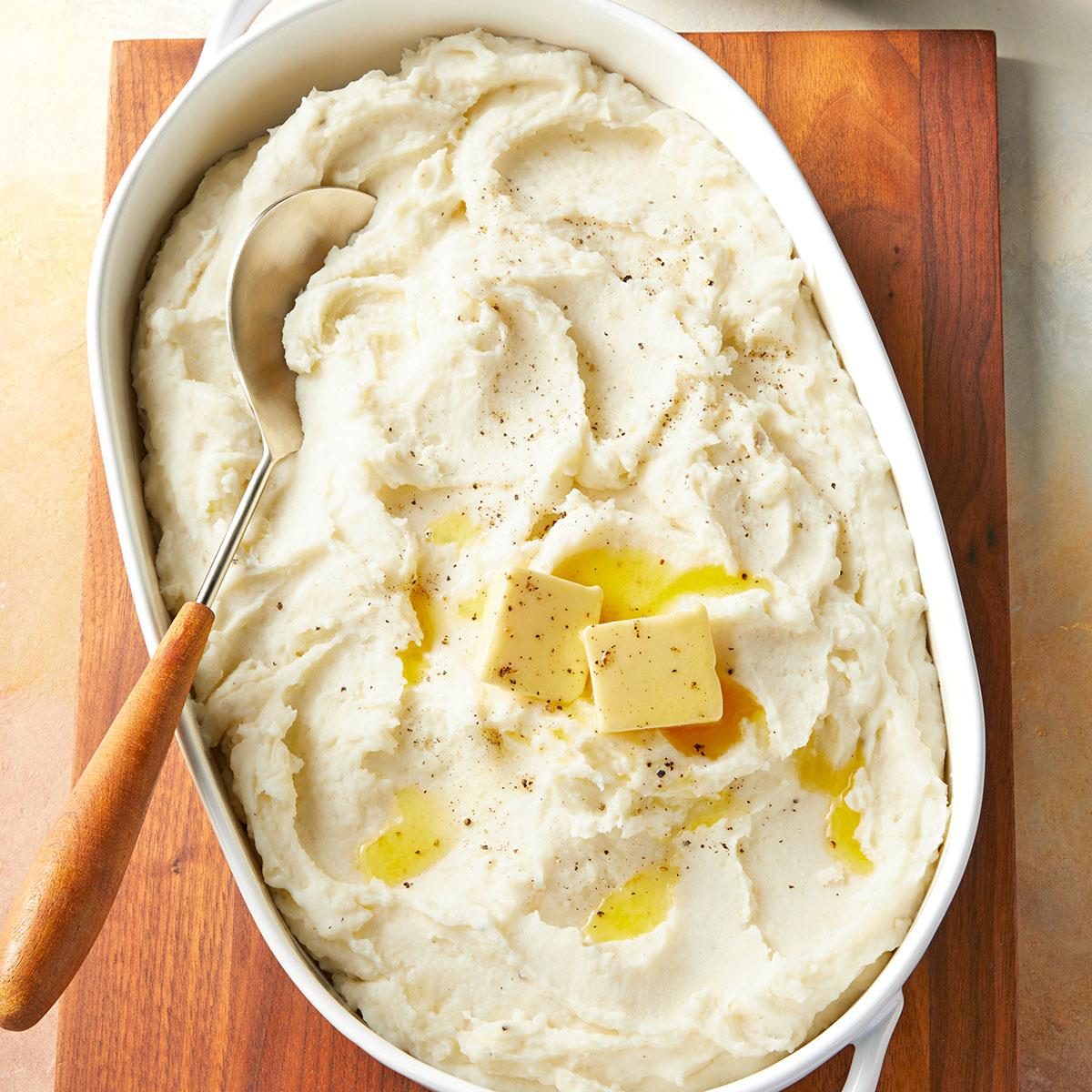
The Magic of Make-Ahead Mashed Potatoes: Your Holiday Meal Saver
The holiday season brings with it a delightful whirlwind of traditions, cherished gatherings, and, inevitably, a certain degree of kitchen chaos. Amidst the elaborate roasts, vibrant side dishes, and decadent desserts, one classic stands out as the ultimate comfort food and a universal crowd-pleaser:
silky, rich mashed potatoes. While an absolute must-have for any festive spread, preparing them at the last minute can add significant pressure to an already packed cooking schedule. This is where the magic of *make-ahead mashed potatoes* truly shines, offering a brilliant solution to holiday stress without compromising on taste or texture.
Imagine Thanksgiving morning, or Christmas Eve, with your oven humming, stovetops bustling, and the joyful clamor of family filling the air. Instead of peeling, boiling, and mashing potatoes right before dinner, picture simply reheating a batch of perfectly prepared, creamy goodness. This strategic move frees up valuable oven and burner space, allows you to focus on other critical dishes, and most importantly, grants you the gift of time to relax and truly enjoy the company of your loved ones. The concept isn't new; timeless recipes, like Pillsbury's beloved 1963 classic, have been perfected over decades, proving that some dishes are simply *meant* to endure and evolve for modern convenience. Whether it's a grand holiday feast or a cozy Sunday supper, preparing your mashed potatoes in advance is a game-changer for sanity and satisfaction.
Crafting the Perfect Mash: Ingredients and Technique
Achieving that dreamy, velvety texture in your
mashed potatoes hinges on a few fundamental ingredients and careful technique. While the core recipe is beautifully simple, often requiring just five components, each plays a pivotal role in the final outcome.
First, let's talk **dairy**. The choice of milk can significantly impact the richness of your mash. From skim milk for a lighter touch to heavy cream for ultimate decadence, all options work, so choose based on your preference for creaminess. A key tip, often overlooked, is to heat your milk (or cream, half-and-half, or even a mix of milk and chicken broth) before adding it to the cooked potatoes. This prevents cooling the potatoes down and ensures they remain piping hot and receptive to the liquids, resulting in a smoother, more emulsified product. For an extra layer of flavor and richness, consider adding a dollop of cream cheese or sour cream; it introduces a subtle tang that complements the savory potatoes beautifully.
Next, **butter**. Real butter is non-negotiable for superior flavor and texture. We’ve found that about two tablespoons per typical recipe strikes the perfect balance, infusing a lovely richness without making the potatoes feel greasy or heavy. Using unsalted butter also gives you more control over the overall sodium content of your dish. For an elevated experience, try infusing your butter with aromatics like crushed garlic or fresh herbs before stirring it into the mash.
Finally, **seasoning**. Don't underestimate the power of salt and pepper. Salting the water generously when boiling your potatoes seasons them from the inside out, creating a deeper flavor profile. Then, a final seasoning while mashing, tasting as you go, ensures perfection. Beyond the basics, consider a pinch of garlic powder, onion powder, or a sprinkle of freshly chopped chives or parsley for added depth and visual appeal.
The technique itself is straightforward:
* **Peel and Cut:** Peel your chosen potatoes and cut them into roughly equal-sized pieces to ensure even cooking.
* **Boil:** Place potatoes in a large pot, cover with cold, salted water, and bring to a boil. Cook until fork-tender, but not mushy.
* **Drain Thoroughly:** This step is crucial! Excess moisture is the enemy of creamy mashed potatoes, leading to a soupy or gluey result. Drain them well, perhaps even returning them to the hot, empty pot for a minute or two to allow residual moisture to evaporate.
* **Mash Gently:** Avoid over-mashing, which can activate the starch and lead to a gummy texture. A potato ricer or a hand masher is ideal.
* **Incorporate:** Gradually add your heated dairy and melted butter, mixing just until smooth and creamy.
The Ultimate Potato Power Play: Choosing Your Spuds
The foundation of truly excellent
creamy mashed potatoes lies in the type of potato you select. After countless kitchen experiments, it’s clear that not all potatoes are created equal when it comes to mashing. Understanding the difference between starchy and waxy varieties is the key to unlocking that coveted fluffy, yet creamy, texture.
**Starchy Potatoes: The Gold Standard**
For light, fluffy, and absorbent mashed potatoes, **Russet** or **Idaho** potatoes are your best friends. These varieties are high in starch and relatively low in moisture. When cooked, their cellular structure breaks down easily, causing them to readily fall apart and making them incredibly easy to mash. More importantly, their starchy nature allows them to absorb butter and milk beautifully, resulting in a mash that's neither watery nor paste-like. The starch granules swell and separate, creating pockets of air that contribute to that desirable fluffy texture.
**All-Purpose Contenders: A Creamier Alternative**
**Yellow Potatoes**, such as **Yukon Gold** or **Yellow Finn**, are excellent all-purpose potatoes that also yield fantastic mashed potatoes. While slightly less starchy than Russets, they possess a naturally creamy texture and a rich, buttery flavor that translates wonderfully into a luxurious mash. They produce a slightly denser, more velvety consistency with a beautiful golden hue, making them a popular choice for those who prefer a richer mouthfeel.
**Potatoes to Avoid for Mashing: The Waxy Culprits**
Conversely, steer clear of **waxy potatoes** like **Fingerlings, New Potatoes, or Red Potatoes** if your goal is smooth, creamy mashed potatoes. These varieties have a higher moisture content and a firmer, waxy texture that holds its shape even after cooking. Their cells remain intact, making them difficult to mash smoothly without leaving lumps. Furthermore, their lower starch content means they don't absorb liquids as effectively, often resulting in a soupy or gluey mash. Save these potatoes for dishes where you want them to retain their form, such as potato salads, gratins, or roasting. Choosing the right spud is the first, and arguably most important, step towards mashed potato perfection.
Make-Ahead Mastery: Storage and Reheating Tips
The true beauty of make-ahead mashed potatoes lies in their ability to transform from a time-consuming chore into a convenient, stress-free component of your meal. The secret to success isn't just in making them, but in how you store and reheat them to maintain that fresh-made quality.
**Preparation for Storage:**
Follow all the steps for making your mashed potatoes as usual, right up until the final seasoning adjustment. Many chefs recommend making them slightly softer than usual by adding a touch more dairy, as they tend to firm up a bit in the fridge. Allow them to cool completely at room temperature before storing. This prevents condensation from forming and keeps them fresher.
**Storage:**
* **Refrigeration:** Transfer the cooled
mashed potatoes into an airtight container. They will keep beautifully in the refrigerator for 3-4 days. For an extra layer of protection and to prevent a skin from forming, you can press a piece of plastic wrap directly onto the surface of the potatoes before sealing the container.
* **Freezing (for longer storage):** Mashed potatoes also freeze well. For best results, add a little extra cream or butter before freezing. Portion them into freezer-safe bags or containers, squeezing out as much air as possible. They can be frozen for up to 1-2 months. Thaw overnight in the refrigerator before reheating.
**Reheating Methods:**
The goal during reheating is to gently warm the potatoes while restoring their creamy texture, which usually involves adding a little extra moisture. Always taste and adjust seasonings after reheating!
1. **Oven (Ideal for Large Batches):** This is often preferred for make-ahead holiday meals, as it allows for even heating and can provide a lovely slightly browned top.
* Preheat oven to 350°F (175°C).
* Transfer potatoes to an oven-safe baking dish. Stir in 1/4 to 1/2 cup of warm milk, cream, or broth per 4 cups of mashed potatoes, depending on their consistency.
* Cover tightly with foil and bake for 20-30 minutes, or until heated through.
* For a golden-brown top, uncover for the last 5-10 minutes. A pat of butter on top before baking is a delicious addition.
2. **Stovetop (Great for Medium Batches):**
* Place potatoes in a large saucepan or pot over medium-low heat.
* Add 1/4 to 1/2 cup of warm milk, cream, or broth.
* Stir frequently, breaking up any clumps, until the potatoes are heated through and creamy. Be patient and keep the heat low to prevent scorching.
3. **Slow Cooker (For Keeping Warm):**
* This method is excellent for keeping already reheated potatoes warm for an extended period during a meal.
* Once reheated by oven or stovetop, transfer them to a slow cooker set to the "Warm" setting. Add a splash of milk or broth and stir occasionally to maintain consistency.
4. **Microwave (Quick for Small Portions):**
* For individual servings, place potatoes in a microwave-safe dish.
* Add a tablespoon or two of milk or broth.
* Cover loosely and microwave on high in 1-minute intervals, stirring between each, until hot and creamy.
No matter which method you choose, remember to give your reheated make-ahead mashed potatoes a final stir, a taste test, and an extra pat of butter before serving.
Conclusion
Make-ahead mashed potatoes are more than just a convenience; they're a culinary strategy that allows you to savor the joy of holiday meals without the last-minute scramble. By understanding the nuances of potato selection, mastering a few simple techniques, and employing smart storage and reheating methods, you can ensure that your holiday table features fluffy, creamy, and utterly delicious mashed potatoes every single time. So, reclaim your holiday spirit, embrace this stress-saving secret, and prepare to delight your family and friends with a side dish that's truly a labor of love – made easier.