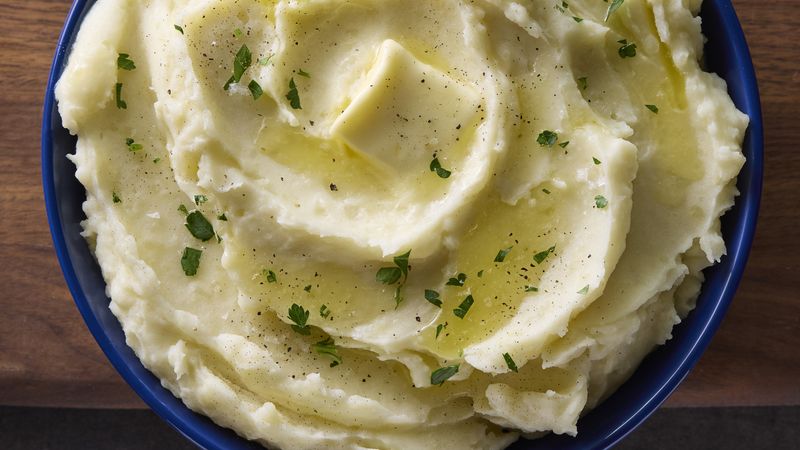
Pillsbury's Legacy: Crafting the Ultimate Silky Mashed Potatoes Since 1963
There are few dishes that evoke the comforting embrace of home quite like a serving of perfectly smooth, buttery mashed potatoes. A staple on holiday tables, a beloved accompaniment to weeknight dinners, and a universally appealing side dish, the humble mashed potato holds a special place in culinary hearts. For generations, Pillsbury has been synonymous with trusted, family-favorite recipes, and their classic mashed potatoes recipe is a testament to this enduring legacy. First appearing in The Pillsbury Family Cook Book in 1963, this timeless recipe has been meticulously refined over more than five decades, evolving into the 5-ingredient secret for silky, craveable spuds that families devour.
What makes Pillsbury's approach stand out isn't just its simplicity, but its commitment to perfection. Through countless kitchen tests and a keen eye for detail, the original recipe has been tweaked, enhanced, and perfected to deliver an unparalleled texture and flavor. Gone are the days of lumpy, uninspired sides; prepare to discover the tried-and-true methods for achieving mashed potatoes so smooth, they practically melt in your mouth. This isn't just a recipe; it's a culinary journey refined by history and expertise, designed to bring pure comfort to your dinner table with minimal fuss.
The Quintessential 5 Ingredients for Unforgettable Mashed Potatoes
The magic of Pillsbury's beloved mashed potatoes lies in its elegant simplicity. With just five core ingredients, readily available in any kitchen, you can create a side dish that outshines more complex concoctions. Each component plays a crucial role in achieving that coveted silky texture and rich, balanced flavor.
The Right Potato Choice: The Foundation of Silkiness
Perhaps the most critical decision in your quest for smooth mashed potatoes is the type of potato you select. After extensive testing with over eight common varieties, Pillsbury identified the clear winners, and those to avoid:
- Russet or Idaho Potatoes: These starchy powerhouses are your best friends for achieving fluffy, non-soupy mashed potatoes. Their high starch content means they readily break down when cooked, making them incredibly easy to mash. Crucially, they are excellent at absorbing milk and butter, resulting in a light, airy, and fluffy texture without becoming gummy.
- Yellow Potatoes (Yukon Gold or Yellow Finn): A fantastic all-purpose option, yellow potatoes also deliver great results for mashed dishes. They offer a naturally creamy, slightly golden hue and a buttery flavor profile that complements the added richness beautifully. While they might not be quite as fluffy as Russets, they consistently produce wonderfully creamy mashed potatoes.
- Potatoes to Avoid (Waxy Varieties): Steer clear of waxy potatoes like Fingerling, New, or Red potatoes for this recipe. Their dense, moist interiors and lower starch content mean they stubbornly hold their shape even after cooking. This makes it incredibly difficult to achieve a lump-free mash, and their resistance to absorbing liquids often results in a soupy or gluey texture. Save these beauties for roasting, grilling, or potato salads where their firm texture is an asset.
Understanding the science behind potato starch is key to mastering the perfect mash. For an even deeper dive into selecting the best spud for your culinary goals, explore our comprehensive guide: Master Creamy Mashed Potatoes: Potato Choice is Key.
Milk: The Decadence Dial
The role of milk in mashed potatoes is twofold: it adds moisture and richness. Pillsbury's tests show that almost any milk fat content will work, from skim milk for a lighter version to luxurious heavy cream for ultimate decadence. The higher the milk fat, the richer and creamier your finished product will be. A critical tip for ensuring consistently hot, smooth results is to heat your milk before adding it to the mashed potatoes. Cold milk can cool down your freshly cooked potatoes, making them harder to mash and potentially affecting the final texture.
Butter: The Flavor Bomb
Is there anything quite like the aroma of real butter melting into hot mashed potatoes? Pillsbury discovered that 2 tablespoons of real butter hits the sweet spot, providing a rich, savory flavor and luxurious mouthfeel without making the potatoes greasy or heavy. The difference between real butter and margarine or other substitutes is significant in terms of both flavor depth and texture. Always opt for quality real butter for the best possible outcome.
Salt & Pepper: The Seasoning Symphony
Seasoning is paramount, and Pillsbury's refined method ensures a perfectly balanced flavor profile. Their secret weapon: a two-stage salting process. First, salt the water generously when boiling your potatoes. This allows the salt to infuse into the potatoes as they cook, seasoning them from the inside out. Then, add another touch of salt and freshly ground black pepper while mashing. This layering technique ensures a deep, well-rounded flavor that enhances every bite without overwhelming the natural taste of the potato.
Achieving Unbeatable Smoothness: Techniques & Tips
Beyond the right ingredients, technique is paramount for Pillsbury-level silky mashed potatoes. Even the best potatoes can become lumpy or gluey if not handled correctly. Here are the tried-and-true methods perfected over decades:
- Proper Cooking: Peel and cut your potatoes into roughly equal-sized pieces (about 1-inch cubes) to ensure even cooking. Place them in a large saucepan, cover with cold, salted water (the initial salting!), and bring to a boil. Reduce heat and simmer until the potatoes are fork-tender but not falling apart into a watery mush. Overcooked potatoes absorb too much water, leading to a soupy mash.
- Drain Thoroughly: This is a crucial step often overlooked! Once cooked, drain the potatoes completely. For an extra measure, return the drained potatoes to the hot, empty saucepan over low heat for a minute or two, gently shaking the pan. This helps to evaporate any residual surface moisture, preventing watery mashed potatoes and allowing them to better absorb the milk and butter.
- The Right Tools for the Job:
- Potato Ricer or Food Mill: For truly restaurant-quality, lump-free mashed potatoes, a ricer or food mill is your best friend. These tools push the cooked potato through small holes, creating light, fluffy strands that easily incorporate liquids without becoming overworked.
- Hand Masher: A sturdy hand masher (preferably one with a grid-like head) works well for a slightly coarser but still creamy texture. Be mindful not to over-mash, as this can break down too much starch and lead to a gluey consistency.
- Avoid Food Processors/Blenders: Never use a food processor or blender for mashed potatoes. The high-speed blades will over-process the starches, resulting in a gummy, paste-like texture that is impossible to recover.
- Gentle Mixing: Once mashed, add your heated milk and softened butter. Fold them in gently with a spatula or wooden spoon until just combined and smooth. Avoid vigorous beating, which can develop the starches too much.
Make-Ahead Magic: Your Holiday Meal Saver
One of the most valuable insights gained over years of perfecting this recipe is its make-ahead potential. Especially during busy holiday seasons like Thanksgiving, when kitchen space and time are at a premium, having a dish that can be prepared in advance is a true blessing. As highlighted by culinary experts, the ability to prepare creamy mashed potatoes ahead of time can significantly reduce stress and enhance your enjoyment of the meal.
To make ahead, simply prepare the mashed potatoes as directed, then transfer them to an oven-safe dish. Cover tightly with plastic wrap (pressing it directly onto the surface to prevent a skin from forming) and refrigerate for up to 2-3 days. When ready to serve, simply reheat them gently in a preheated oven (around 325-350°F / 160-175°C) until warmed through, stirring occasionally and adding a splash more hot milk or a pat of butter if needed to restore their creamy consistency. This strategy is a game-changer for any large gathering. For more detailed instructions and alternative reheating methods, dive into our guide: Make-Ahead Mashed Potatoes: Your Holiday Meal Saver.
Conclusion: The Enduring Appeal of Pillsbury's Mashed Potatoes
Pillsbury's 5-ingredient silky mashed potatoes recipe isn't just a collection of instructions; it's a culinary heirloom, perfected over half a century to deliver unparalleled comfort and flavor. Whether gracing a festive holiday feast or serving as the ultimate companion to a simple weeknight roast chicken, these mashed potatoes promise a consistent, delightful experience. By understanding the importance of potato choice, embracing quality ingredients, and employing simple yet effective techniques, you can recreate this iconic side dish with confidence. Give this top-rated recipe a try tonight, and discover for yourself why Pillsbury's secret to silky smooth mashed potatoes remains a beloved classic, earning its spot as a family favorite for generations to come.
