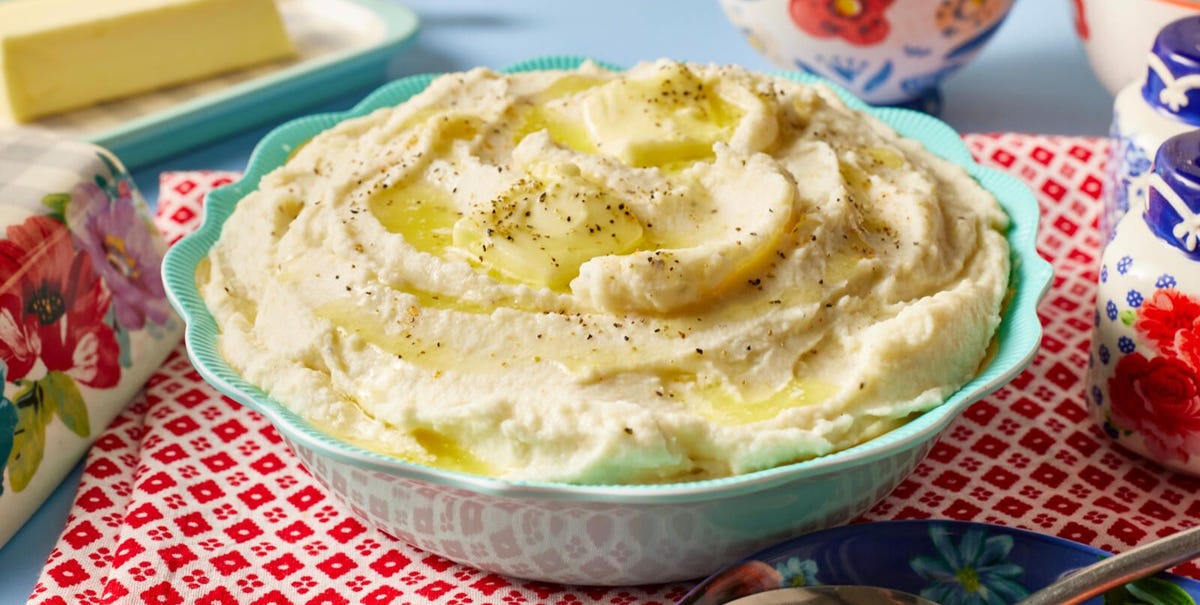
Master Creamy Mashed Potatoes: Potato Choice is Key
There are few side dishes as universally beloved and deeply comforting as a generous serving of perfectly creamy mashed potatoes. Whether gracing the holiday table alongside a magnificent turkey or serving as a simple, satisfying accompaniment to a weeknight meal, mashed potatoes hold a special place in our culinary hearts. Their appeal transcends generations, a true testament to the power of simple, wholesome ingredients transformed into something extraordinary. While many factors contribute to that dreamy, cloud-like texture and rich flavor, decades of culinary wisdom and countless kitchen tests reveal one undeniable truth: the secret to truly master creamy mashed potatoes begins long before the butter hits the pan. It starts with the humble potato itself.
From the classic recipe that first appeared in the esteemed Pillsbury Family Cook Book in 1963 to countless modern variations, the quest for the ultimate mashed potatoes has evolved. Recipes have been tweaked, ingredients refined, and techniques perfected. Yet, the foundational insight remains: the type of potato you select is the single most critical decision that will dictate the final texture of your mashed potatoes, transforming them from merely good to truly unforgettable.
The Unsung Hero: Why Potato Choice Dominates Your Mashed Potatoes
Imagine biting into a spoonful of light, fluffy, and utterly creamy mashed potatoes – no lumps, no stickiness, just pure, melt-in-your-mouth goodness. This blissful experience is primarily due to the starch content within the potato. Potatoes fall into broad categories based on their starch levels: starchy, waxy, and all-purpose. Each type behaves differently when cooked, directly impacting how easily it breaks down, how much liquid it absorbs, and ultimately, the texture of your mashed potatoes.
Understanding this fundamental difference is the key to unlocking the perfect mash. Starchy potatoes are like sponges, eagerly soaking up butter and warm milk, while waxy varieties are stubborn and resistant, making it nearly impossible to achieve that silky-smooth consistency we crave. Let's delve into which potatoes are your allies in the pursuit of the best mashed potatoes.
Starchy Superstars: Your Go-To for Fluffy, Creamy Mashed Potatoes
When the goal is ethereal fluffiness and incredible creaminess, starchy potatoes are your undisputed champions. Their high starch content means they readily break down when cooked, offering little resistance to mashing. This makes them incredibly easy to work with, allowing you to achieve a uniform, lump-free texture with minimal effort.
- Russet or Idaho Potatoes: These are the quintessential choices for fluffy mashed potatoes, and for good reason. Their high starch cells swell and burst upon cooking, causing the potato to essentially "fall apart." This creates a light, dry, and mealy texture that is perfect for mashing. More importantly, these broken-down cells create ample surface area and pockets that readily absorb the rich flavor of milk, cream, and butter without becoming heavy, gluey, or soupy. The result is a light, airy, and incredibly flavorful mash that truly lives up to the promise of ultimate comfort food. They are the ideal canvas for showcasing the butter-rich flavor and velvety texture you're striving for.
The Golden Middle Ground: All-Purpose Yellow Potatoes
While starchy potatoes excel, all-purpose yellow potatoes offer a fantastic alternative, yielding a slightly denser but equally delicious and creamy result. These varieties strike a beautiful balance between starchiness and moisture, offering a naturally buttery flavor and a gorgeous golden hue.
- Yukon Gold or Yellow Finn: These potatoes are incredibly versatile and perform admirably in mashed potato recipes. They have enough starch to break down relatively easily, yet retain a bit more of their structure than Russets, resulting in a slightly firmer but still wonderfully creamy mash. Their natural creamy-yellow flesh translates into mashed potatoes with a visually appealing golden tint and a distinct, rich flavor profile. If you prefer your mashed potatoes with a touch more "body" but still incredibly smooth, Yukon Golds are an excellent choice. They are celebrated for their naturally buttery flavor, which only enhances the overall richness of the dish.
Potatoes to Ponder: When to Avoid Waxy Varieties for Your Mash
While delicious in their own right for other culinary applications, waxy potatoes are the absolute antithesis of what you want for creamy mashed potatoes. Their characteristics make them fundamentally unsuitable for achieving a light, fluffy, and smooth texture.
- Fingerling, New, or Red Potatoes: These varieties are characterized by their low starch content and firm, creamy-moist interiors. When cooked, their cells tend to hold their shape, remaining intact rather than breaking down easily. This structural integrity is great if you want potato chunks that retain their form in a salad or a roast, but it's a significant hurdle for mashing. You'll find yourself struggling to eliminate lumps, and even with vigorous mashing, the texture will often be gummy or pasty because the cells resist absorbing liquids. Instead of a fluffy, absorbing mash, you'll end up with something dense, potentially soupy (as the liquids sit on the surface rather than being absorbed), and unsatisfyingly lumpy. Save these beautiful potatoes for where their firm texture can truly shine, like potato salads, gratins, or roasting, where their shape and distinct flavor can be celebrated.
Beyond the Spud: Elevating Your Mashed Potatoes to Perfection
While selecting the right potato is paramount, creating truly exceptional mashed potatoes involves a harmonious blend of simple, high-quality ingredients and a few key techniques. These elements, when combined with your chosen starchy potato, will elevate your dish from good to glorious.
- Dairy Matters: The richness of your mashed potatoes is directly proportional to the fat content of your dairy. From skim milk to decadent heavy cream, all types technically "work," but for the richest, most luxurious flavor and texture, opt for higher-fat milk or a blend with cream. A crucial tip for maintaining the warmth of your dish and ensuring seamless absorption is to always heat your milk or cream before adding it to the mashed potatoes. Cold dairy can cool down your potatoes, making them harder to incorporate smoothly and potentially impacting the final texture.
- The Butter Factor: Real butter is non-negotiable for superior flavor and texture. Margarine or butter substitutes simply don't deliver the same depth or creaminess. Through extensive testing, it's often found that around 2 tablespoons per medium-sized potato provides that ideal butter-rich taste without making the mashed potatoes greasy or heavy. The fat from the butter not only adds incredible flavor but also contributes significantly to the smooth, velvety mouthfeel.
- Seasoning Savvy: Don't underestimate the power of proper seasoning. A common chef's trick is to salt the water generously while cooking the potatoes. This seasons them from the inside out, creating a more balanced flavor profile. Then, a little extra salt and freshly ground black pepper added while mashing ensures the seasoning is perfectly distributed throughout.
- Moisture Management: After cooking, thoroughly drain your potatoes. For an even drier, fluffier result, return the drained potatoes to the hot, empty saucepan over low heat for a minute or two, shaking gently. This allows any residual moisture to evaporate, preventing waterlogged or soupy mashed potatoes. This step is critical before adding any dairy or butter.
For those who appreciate the beauty of simplicity and time-tested perfection, explore classics like Pillsbury's Secret: 5-Ingredient Silky Mashed Potatoes, which masterfully combines these elements for a consistently excellent result.
Smart Preparation and Make-Ahead Magic
Crafting perfect mashed potatoes doesn't have to be a last-minute scramble, especially when you're juggling multiple dishes for a holiday feast. Strategic planning can make all the difference to your sanity and blood pressure on a busy cooking day.
- The Right Tools: A sturdy vegetable peeler makes quick work of removing skins. A large saucepan (3-4 quart size) is ideal, not just for boiling but also for mashing the potatoes directly in the pan. This minimizes cleanup and keeps everything contained. Ensure your burner size matches the pan for even cooking. For mashing, a traditional potato masher is great for texture, or for the ultimate silkiness, a potato ricer can achieve unparalleled smoothness.
- Make-Ahead Mastery: One of the most life-changing tips for stress-free entertaining is that mashed potatoes are incredibly make-ahead friendly. You can prepare them entirely a day or two in advance, refrigerate them, and then simply reheat them when needed. This allows you to focus on other aspects of your meal, making your holiday dinner or Sunday spread much more enjoyable. When reheating, the oven is often preferred for best results, as it gently warms them through without drying them out. Add an extra splash of warm milk or cream during reheating to restore any lost moisture and revive their creamy texture. For detailed strategies and tips to keep your dish fresh and flavorful, discover the benefits of Make-Ahead Mashed Potatoes: Your Holiday Meal Saver.
Ultimately, the journey to master creamy mashed potatoes is one of understanding and appreciation for your ingredients. By prioritizing the right potato, complementing it with quality dairy and butter, and employing a few simple techniques, you'll consistently create a side dish that earns rave reviews. So, next time you plan to make this ultimate comfort food, remember: start with the spud, and the rest will follow. Give these insights a try for dinner tonight, and prepare for a truly exceptional mashed potato experience!
